 publishing your research
In today's competitive academic landscape, publication success requires more than quality research, it demands strategic preparation. Join our webinar for strategies that turn manuscripts into published papers.
This session provides an introduction to publishing ethics, including an overview on the common types of issues which can arise. The role that publishers and editors play in ensuring the integrity of the scholarly record, and what authors need to know in order to avoid problems is discussed. The session also provides an overview on when, why and how we can issue a Retraction notice, a Correction notice or an Expression of Concern notice. The responsibility of authors is discussed, as well as tips on how to prevent problems from arising on submissions.
Dr Coromoto Power Febres is a Research Integrity Manager within the Publishing Ethics and Integrity Team at Taylor and Francis. Before working in publishing, Coro pursued a career in research. After completing a PhD in Political Science at University College London, Coro worked in various research roles within and outside of academia focusing on minority representation and the European extreme right. Coro joined Taylor and Francis in 2024, having previously led the Research Integrity team at Emerald Publishing. Coro is a member of the STM Research Integrity Committee.
Date
Location
online
Tags
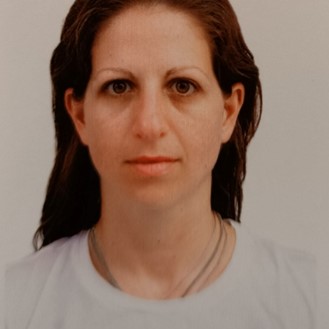
Dr Coromoto Power Febres
Research Integrity Manager at Taylor and Francis
publishing your research
In today's competitive academic landscape, publication success requires more than quality research, it demands strategic preparation. Join our webinar for strategies that turn manuscripts into published papers.
 data sharing
|
This session focuses on preparing datasets for sharing, best practices for repositories, and writing Data Availability Statements. Participants will learn ethical and legal aspects of data sharing and strategies for handling sensitive data.
 open research
|
This course explores open research models, their adoption by stakeholders, and their impact on publishing workflows. Participants will learn ethical considerations and practices for engaging in open science and speculate on future publishing trends.